

Based on a 2024 report by the International Safety Clothing Association, almost 68% of office injuries in production and construction has been prevented with correct defensive work clothes (Arbetskläder). Industry requirements occur to protect individuals from hazards like temperature, substances, and machinery. Meeting these standards isn't nearly seeking professional—it's about conformity, protection, and performance.
How Do I Know If My Work Garments Are Business Accepted?
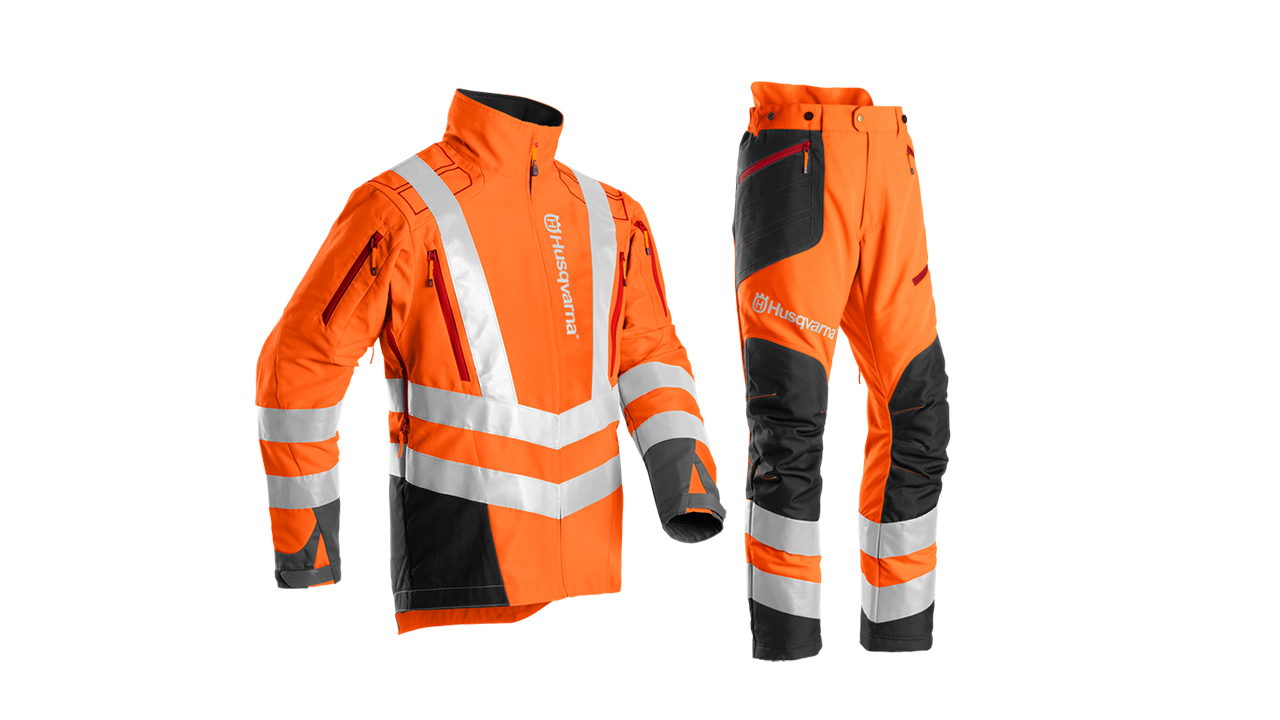
Every profession has a unique pair of clothing guidelines. Like, ANSI/ISEA standards govern high-visibility clothing for road and structure individuals, while NFPA 70E relates to electrical safety apparel. Before buying outfits or security gear, check the label for compliance scars or certifications. Employers are needed to make certain all apparel meets the Occupational Safety and Wellness Administration (OSHA) requirements.
What Components Are Many Frequent in Industry-Compliant Workwear?
Statistics from 2025 textile reports show that 47% of industrial outfits are produced from flame-resistant cotton blends, 33% from polyester, and the remainder from advanced synthetics like Nomex and Kevlar. The choice depends on your job's exposure risk. For instance, welders take advantage of flame-resistant components, while healthcare team prefer antimicrobial fabrics.
Are There Sex Differences in Workwear Criteria?
Yes, and the development is moving fast. A 2025 workforce review unmasked that 58% of women in technical areas described poorly installing outfits that impacted performance. Today, significant manufacturers are planning gender-specific protection equipment that fits exactly the same safety degrees but with greater ergonomics. This change not only improves security but additionally improves confidence and production at work.
How Can Employers Stay Current on Workwear Compliance?
Workwear standards evolve every 2–3 years. The most trusted way to remain current is by following improvements from ISO (International Firm for Standardization) and OSHA. Many organizations are now actually investing in digital submission monitoring systems, which quickly update uniform demands as regulations change. In reality, more than 40% of industrial firms followed clever standard policies in 2025.
What's Trending in Workwear for 2025?
The greatest development in 2025 is sustainable compliance. Companies are moving toward eco-friendly, recyclable, and clever materials that match business requirements while lowering environmental impact. According to a 2025 sustainability report, one in three companies is now sourcing outfits made from recycled materials. Furthermore, smart workwear built with devices that check heat or discover chemical coverage is getting traction across various sectors.
Final Thoughts
Picking function clothes that meet market criteria is not only a conformity checkbox—it's a strategic expense in security, comfort, and sustainability. As industries modernize, the emphasis is shifting toward data-driven design, wise fabrics, and environmentally aware production. Remaining informed assures not merely submission but also a aggressive side in the modern workplace.